
How Dry Needling Can Help You Move and Feel Better
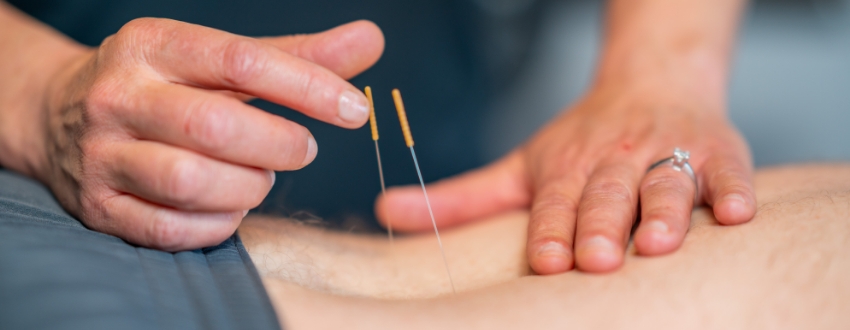
Have you been dealing with tight muscles, lingering pain, or injuries that don’t seem to improve? These experiences can be frustrating, especially when stretching and rest are not providing relief. Fortunately, Kinetix Physical Therapy now offers dry needling, an innovative treatment technique that addresses these concerns at their root.
Our physical therapists use this hands-on technique to relieve pain, improve movement, and help you return to the activities you enjoy. Let’s take a closer look.
Dry Needling FAQs: What You Need to Know Before Getting Started
1.What is dry needling?
Dry needling targets tight knots in your muscles and connective tissue called trigger points. These trigger points can cause pain at their location and refer pain to other areas of the body. They can also cause movement restrictions.
During a dry needling session, one of our physical therapists will insert a thin, sterile needle into the trigger point to loosen it and help the muscle release. This process has several benefits:
- It releases tight muscles and helps their fibers rest so they can relax
- It improves blood circulation, which brings oxygen and nutrients to the injured area
- It helps calm irritated nerves and decreases pain sensitivity
- It restores muscle movement so they can contract and stretch as they should
These benefits can help boost your body’s natural healing processes.
2. This sounds like acupuncture! Are they the same thing?
No. While dry needling and acupuncture both use thin needles, they’re rooted in different concepts:
- Dry needling focuses on releasing restrictions in the muscle tissue.
- Acupuncture is based on traditional Chinese medicine and energy flow.
3. What conditions can dry needling help with?
We use dry needling to address muscle and joint pain, including:
- Neck and back pain
- Shoulder injuries
- Knee pain
- Sports injuries
- Headaches caused by muscle tension
- Sciatica (pain that travels down the leg from the lower back)
4. What does dry needling feel like?
Most of our patients are surprised by how little discomfort they feel during their sessions. The most commonly reported sensations are:
- A quick pinch when the needle is inserted
- A twitch or cramp in the muscle (this is actually a good thing, as it indicates that the muscle is releasing)
- Mild soreness after treatment, similar to post-workout soreness. It usually fades within 24-48 hours.
5. Is dry needling safe?
Yes, dry needling is very safe when performed by one of Kinetix Physical Therapy’s trained physical therapists who completed an extensive certification process to perform dry needling. We always use sterile, single-use needles and tailor your treatment to your condition and comfort level.
6. Is dry needling used on its own?
Dry needling is most effective when it’s incorporated into a comprehensive physical therapy program. At Kinetix Physical Therapy, we’ll usually pair your dry needling sessions with techniques such as:
- Hands-on manual therapy
- Strength and mobility exercises
- Movement retraining
- Strategies to prevent future injury
This combined approach helps you recover faster and stay active in the long term.
7. How many sessions will I need?
This depends on several factors, including your condition, how long you’ve had symptoms, and your goals.
Some patients feel relief after just 1–2 sessions. Others benefit from a short series of treatments combined with exercise and therapy.
Your physical therapist will create a plan that fits your needs and adjust it as you improve.
Ready to Feel Better and Move Easier?
Dry needling is one of many tools we use at Kinetix Physical Therapy to help you get out of pain and back to doing what you love. If tight muscles or stubborn pain are holding you back, our team is here to help you take the next step toward lasting relief. Schedule an appointment with us today to learn more about how dry needling might benefit you.