


Don’t Let Frozen Shoulder Hold You Back
How Physical Therapy Can Help You Manage Frozen Shoulder
We recently worked with a patient who came to us after struggling with shoulder pain for several months. While she hoped it would go away on its own, it only got worse over time. When she visited us, she was also struggling to lift her shoulder overhead or reach behind her back.
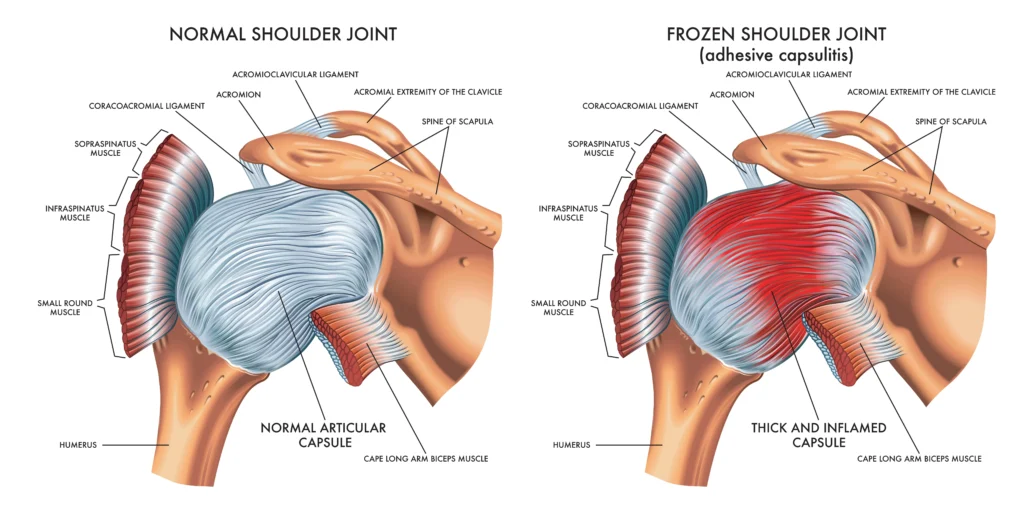
This patient had developed adhesive capsulitis, more commonly known as frozen shoulder. It gets that name from the fact that the condition causes the shoulder to “freeze up” after a period of intense pain.
A frozen shoulder will eventually “unfreeze,” but that process can take anywhere from 1-3 years. Fortunately, the team at Kinetix Physical Therapy can help you manage your symptoms and facilitate a more efficient recovery.
What Causes Frozen Shoulder?
The condition develops when the capsule of connective tissue that wraps around your shoulder thickens and tightens, restricting the joint. However, researchers aren’t entirely clear why this happens. Certain factors can increase your risk:
- Being a woman between the age of 40 and 60 years old
- Having certain diseases, including diabetes, thyroid conditions, or cardiovascular disease
- Immobilizing your shoulder after an injury or surgery.

Building Connections With the Next Generation of Physical Therapists
Our team recently attended the physical therapy job fairs at the University of North Florida and the University of Florida, as well as the Florida Physical Therapy Association Student Conclave at Florida Gulf Coast University. These events gave us the opportunity to connect with students, share insights about the profession, and engage with the next generation of physical therapists as they continue building their skills and passion for patient care.


Understanding the Three Phases Of Frozen Shoulder
One reason frozen shoulder recovery can take so long is that the condition progresses through three distinct phases, each with its own set of symptoms and concerns. Here’s what you need to know about each one:
Freezing Phase
This initial stage is marked by increasing pain and stiffness in the shoulder. During this phase, we focus on maintaining your shoulder’s range of motion to help reduce stiffness and improve comfort.
- A gradual onset of pain that worsens with movement
- Increased stiffness in the shoulder
- Pain is often worse at night, disrupting sleep
Frozen Phase
The frozen stage involves less pain but greater stiffness, significantly restricting your shoulder’s movement. We’ll focus on improving your shoulder’s mobility using stretching or manual therapy techniques.
- Decreased pain compared to the freezing stage
- Significant stiffness and difficulty moving the shoulder
- Everyday movements like reaching overhead or behind the back become challenging
Thawing Phase
In the final stage, your pain decreases, and your shoulder’s range of motion gradually returns. However, it’s important to continue physical therapy to ensure you make a full recovery.
- Gradual improvement in mobility as scar tissue around the shoulder capsule begins to loosen and break down
- Pain continues to decrease
Physical Therapy and Frozen Shoulder: What You Need to Know
Physical therapy plays an essential role in helping you manage frozen shoulder symptoms at all three stages. Our team will work with you to develop a comprehensive treatment program, pulling from a range of different techniques based on your current symptoms.
Acute Pain Management
We’ll help you manage shoulder pain (especially in the freezing phase) with techniques such as dry needling, laser therapy, Neubie, and shockwave therapy to help reduce pain, improve mobility, and support healing.
Manual Therapy
Various hands-on techniques can gently mobilize the shoulder joint, improve joint capsule movement, and reduce pain.
Mobility Exercises
Targeted exercises and techniques help improve your shoulder’s range of motion in all directions, gradually restoring your ability to reach, lift, and rotate your arm.
Strengthening Exercises
Strengthening the muscles surrounding the shoulder joint enhances stability and supports improved function.
Management Strategies
Understanding frozen shoulder is an integral part of managing it. We’ll help you navigate the difficulties of the condition, including identifying which stage you’re in and providing you with home exercises to help alleviate your symptoms.
Ready to Break Free From the Icy Grip of Frozen Shoulder?
If you suspect you have frozen shoulder, schedule an appointment at Kinetix Physical Therapy. Physical therapy is essential for managing the condition in all three phases, and the earlier you can begin treatment, the better your outcomes will be. Our team is here to help you manage pain, restore mobility, and understand your shoulder’s movement patterns.
Don’t let frozen shoulder hold you back. Call us today to schedule your initial evaluation!
The Complexity of the Shoulder Joint
Did you know the shoulder is the most mobile joint in the human body? This unique ball-and-socket joint allows for an impressive range of motion so you can reach overhead, throw a baseball, or go for a swim.
Unfortunately, this incredible mobility comes at a cost: instability and a high likelihood of injury. Understanding how the shoulder works is one of the first steps toward protecting it from damage and keeping it functioning well.

How the Shoulder Joint Works
The shoulder joins three bones together in two different joints. The head of your upper arm bone fits in the shallow socket of your shoulder blade, forming the main joint of your shoulder. Your collarbone then connects the shoulder blade to your rib cage, forming the second joint.
Supporting Structures of the Shoulder
Rotator Cuff
A group of muscles and their tendons that surround the shoulder joint, providing stability and controlling movement.
Labrum
A ring of cartilage that protects the shoulder socket.
Ligaments
Bands of connective tissue that connect bones and provide support.
Additional Muscles
In addition to your rotator cuff, numerous chest and upper back muscles contribute to shoulder movement and stability.
Understanding Shoulder Injuries
Acute Injuries
These injuries happen suddenly, often due to a fall or direct blow to the shoulder.
Examples include fractures, dislocations, or labral tears.
Overuse Injuries
Overuse injuries develop due to repetitive overhead motions that strain the tissues in the shoulder, particularly the rotator cuff.
They’re particularly common in sports like swimming, baseball, or weightlifting.
Degenerative Changes
Degenerative changes in the shoulder joint, including age-related wear and tear or underlying conditions like arthritis, can cause the protective cartilage to break down, leading to pain and restricted mobility.
Dealing with Shoulder Pain? We Can Help
Regardless of the reason for your shoulder discomfort, the team at Kinetix Physical Therapy can help you find lasting relief. Our physical therapists have the knowledge and expertise to treat a range of shoulder injuries, help you rehabilitate after shoulder surgery, or teach you how to effectively manage degenerative conditions.

Learn About All-Natural Symptom Relief At Our FREE Workshops!
Discover the common causes behind joint and nerve pain and learn natural strategies to improve mobility, reduce discomfort, and stay active — without relying on medication, injections, or surgery.
Back Pain & Sciatica
Do you have pain when you stand, walk, or sit? Do you experience pain shooting down your buttocks or leg?
Shoulder Pain / Rotator Cuff
Do you have pain when reaching overhead or behind you? Is your shoulder pain keeping you awake?
See our diagnostic ultrasound in action! Learn the common causes of your symptoms and how to fix them naturally without medication, injections or surgery. Call to register now as seating is limited.

Creamy Tuscan Chicken
Looking for a comforting, protein-packed dinner that’s full of flavor? This Creamy Tuscan Chicken combines tender chicken, spinach, sun-dried tomatoes, and a rich Parmesan cream sauce for a satisfying meal that’s perfect for busy weeknights.
- 2 large boneless, skinless chicken breasts
- 1½ tsp kosher salt, divided
- ½ tsp black pepper
- 2–3 tbsp olive oil, divided
- 1 small yellow onion, diced
- 3 cloves garlic, minced
- ½ cup sun-dried tomatoes, thinly sliced
- 2 tsp dried Italian seasoning
- 5 oz baby spinach
- 1 oz Parmesan cheese, grated
- 1¼ cups heavy cream
- Butterfly the chicken breasts and season with salt and pepper.
- Heat olive oil in a large skillet over medium-high heat. Sear the chicken until browned on both sides, then transfer to a plate.
- Reduce heat to medium and cook the onion until softened. Add garlic, sun-dried tomatoes, and Italian seasoning.
- Stir in the spinach and cook until wilted.
- Add Parmesan cheese, heavy cream, and remaining salt. Bring to a gentle simmer while scraping any browned bits from the pan.
- Return the chicken and juices to the skillet and simmer until the chicken reaches an internal temperature of 165°F, about 4–7 minutes.
- Serve warm over pasta, rice, cauliflower rice, or roasted vegetables.

From Shoulder Pain to Stronger Movement
“I had an excellent experience at Kinetix Physical Therapy after my hand surgery/injury. The entire team was professional, patient, and genuinely cared about my recovery every step of the way.
Dr. Scott Eddins was incredibly knowledgeable and always made sure I understood the exercises and progress I was making. Bella brought such a positive attitude every visit and made therapy feel encouraging instead of stressful. Alex was attentive and motivating, always pushing me to improve safely. Jazzmin was kind, welcoming, and made every appointment comfortable from the moment I walked in.
Because of this team, my hand mobility and strength improved a lot faster than I expected. You can tell everyone here truly cares about their patients and wants the best results possible. I highly recommend Kinetix Physical Therapy to anyone who needs rehabilitation or physical therapy.”
Leave Us A Review
Your opinion matters. Click the buttons below to leave us a quick Google review and help others find quality care.
We’re Hiring!
We’re excited to grow our team at Kinetix Physical Therapy – and we’re looking for dedicated Physical Therapists (PTs) and Physical Therapist Assistants (PTAs) to join us!
If you or someone you know would be a great fit, we’d love to hear from you. Our clinic is a supportive, patient-focused environment that values collaboration, innovation, and professional growth. We offer mentorship opportunities, continuing education, and competitive benefits.
Ready to make a difference and elevate your career? Learn more and apply today by clicking below.
View Open PositionsFree Workshops for Your Workplace!
Invite us to come to your workplace and show you how to heal joint pain naturally, without medication, injections, or surgery.
Let’s get this event on your calendar today! Email our business workshop coordinator, Bill Herring.
Email Bill Herring— Mandy