


How We Can Help Sports Injuries This Spring
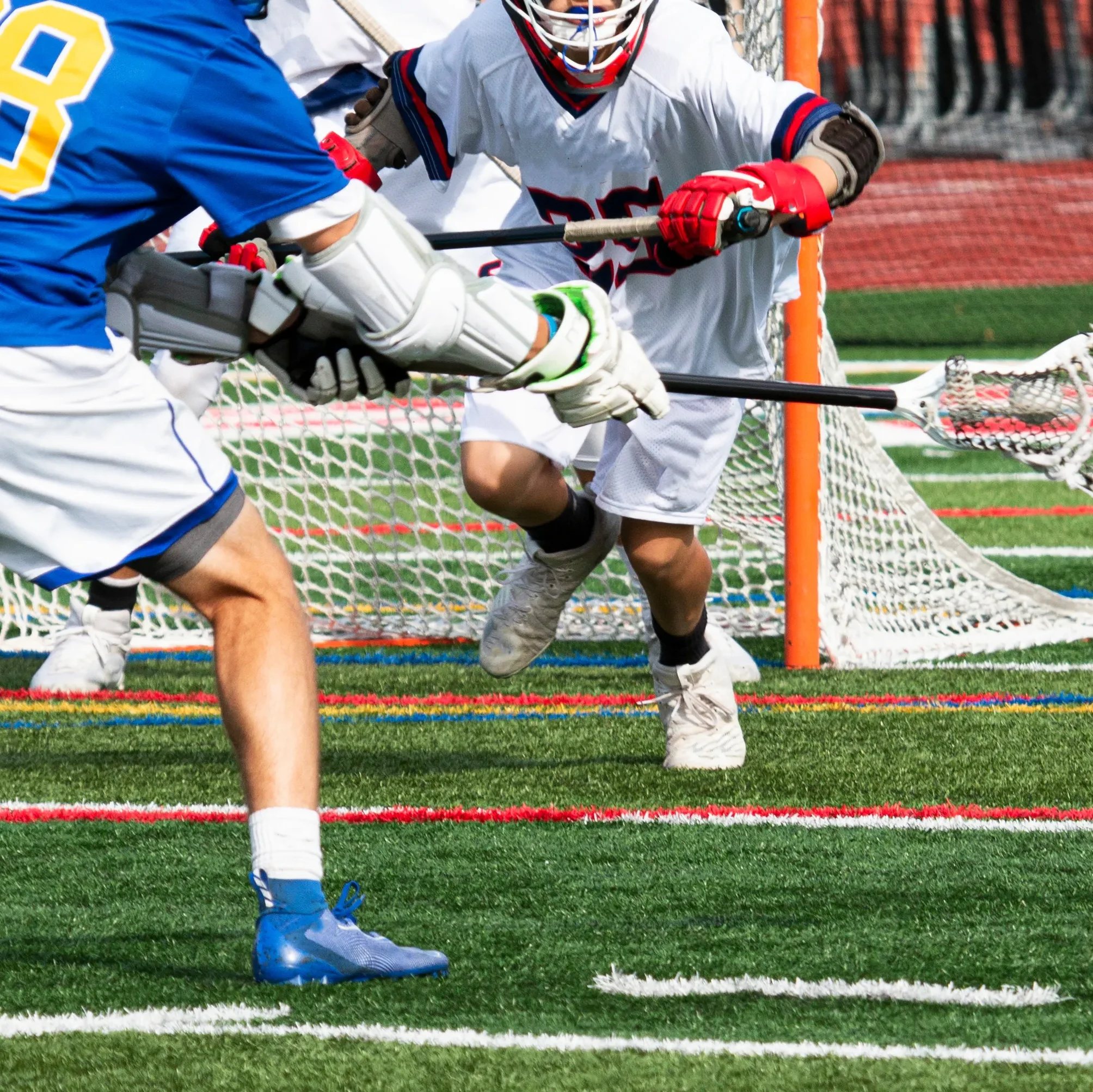
At Kinetix Physical Therapy, we are experienced in dealing with all spring sports season injuries and can give you the programs to prepare you for the season and prevent new injuries! Are you looking forward to getting out on the courts? Do you look forward to golf or the start of baseball/softball season?
The winter seasons can be sedentary and lead to more aches, pains, and discomfort than one may think. Fortunately, the warm weather is a great time to get outdoors and play sports.
If you find yourself in pain from a throwing injury or a bad swing of the club or racquet this spring, or you’d like to discuss ways you can get in shape to prevent any injury, don’t hesitate to contact Kinetix Physical Therapy.
Whether you are a young athlete or have played sports for decades, our physical therapists know how to treat your injuries and get you back in the game.
Building Stronger Communities Through Purposeful Partnerships
Community involvement is an opportunity to create lasting impact. This season, Kinetix Physical Therapy supported two meaningful events: the Food Fore Kids Charity Scramble and the Pace Center for Girls Golf Scramble.
Both initiatives united local leaders to support youth. Food Fore Kids helps fight childhood hunger, ensuring children have the nutrition they need to thrive. Pace Center for Girls empowers young women through education, counseling, and life skills programs.
Our team was proud to participate, build connections, and strengthen community partnerships. These events highlight the power of collaboration and shared purpose.
We are honored to support initiatives that align with our values and make a real difference, and we remain committed to helping build a stronger, more vibrant community.
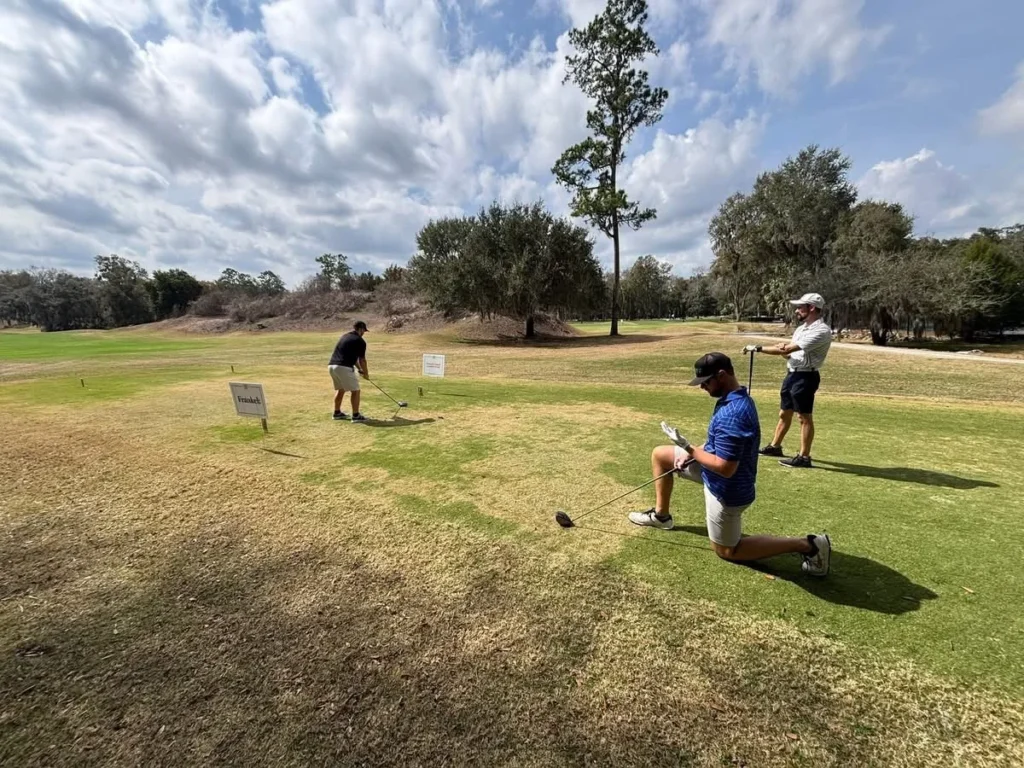
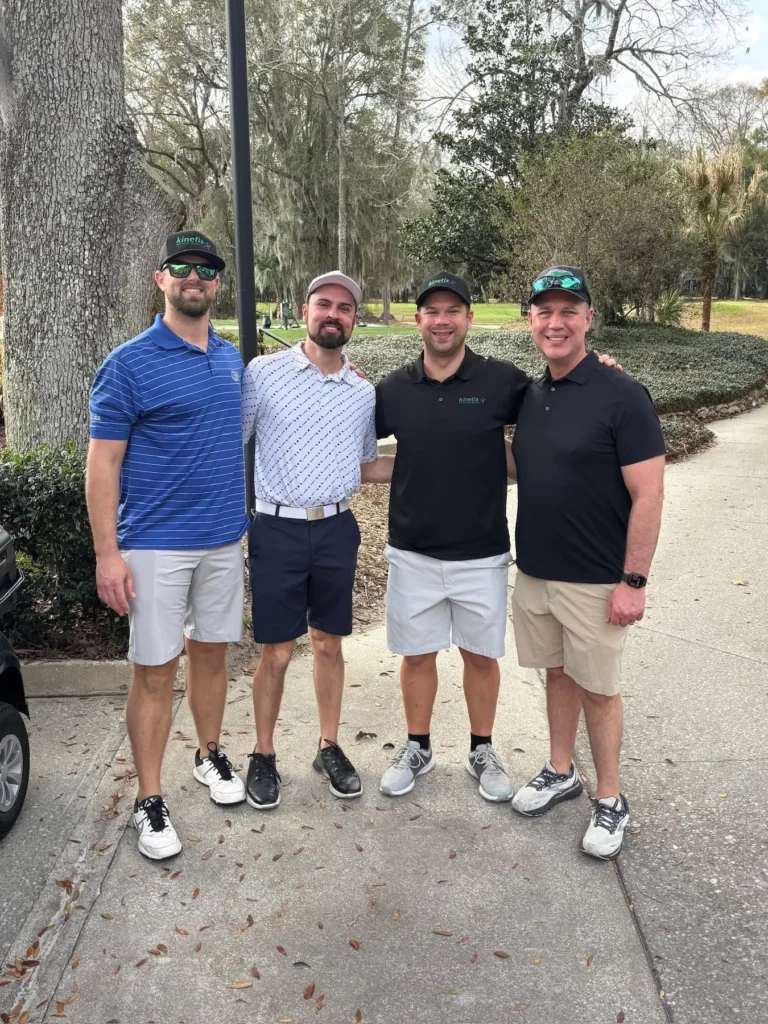
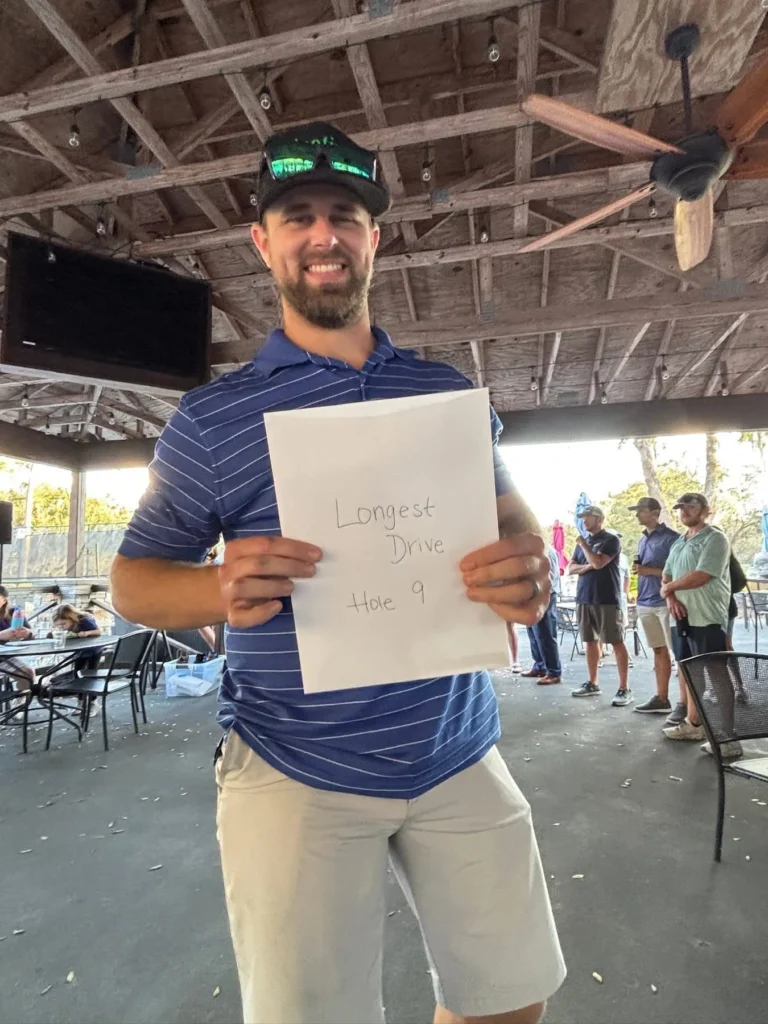

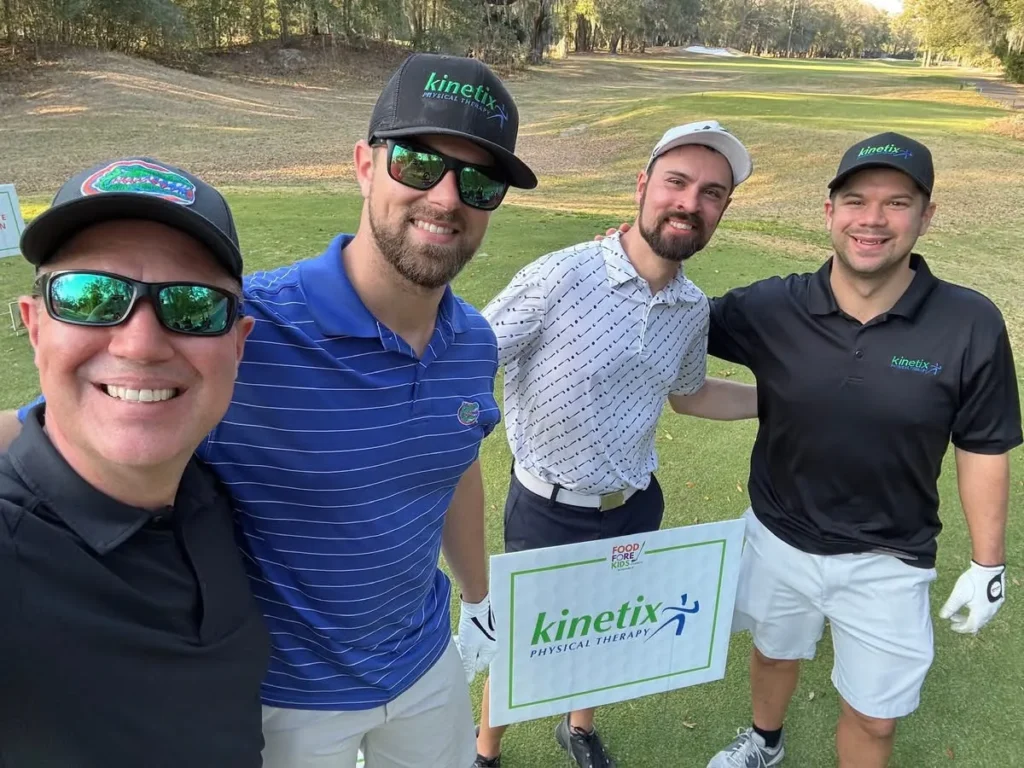

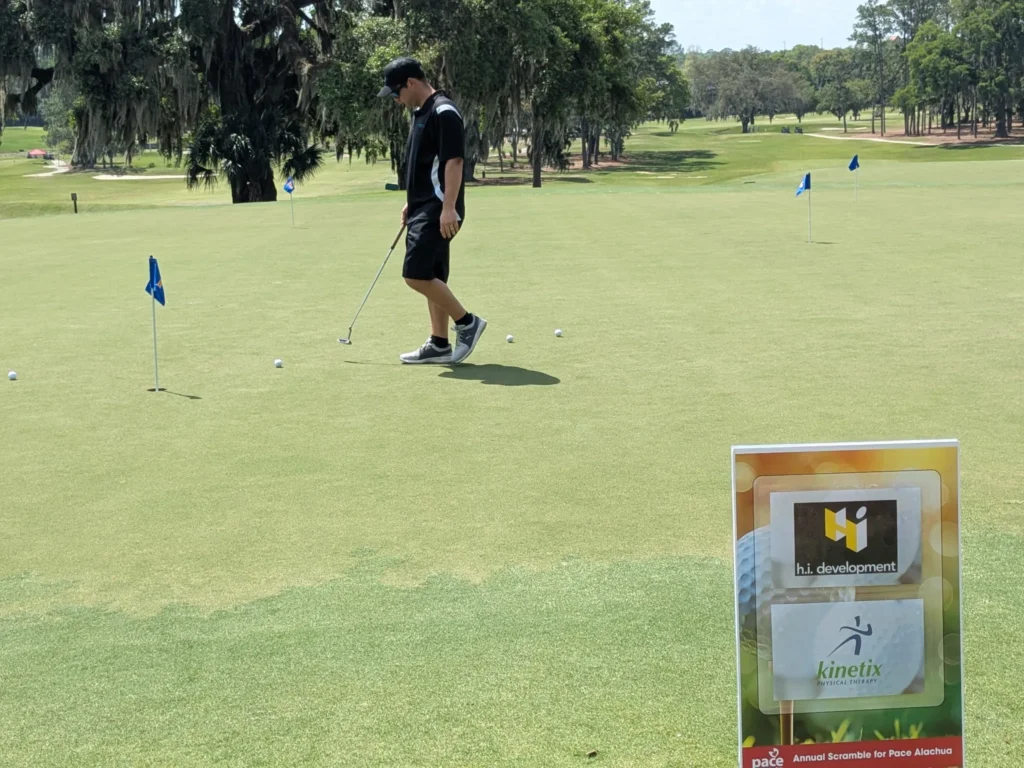
The golf scramble not only raised vital funds but also helped shine a spotlight on the importance of empowering young women to reach their full potential. Beyond sponsorship, our team members were excited to be out on the course, connecting with fellow participants, strengthening relationships, and reinforcing our shared commitment to community growth. Events like these remind us that collaboration is key, and that when businesses and organizations come together, the results are powerful. We are honored to support initiatives that align with our values and make a real difference. As we look ahead, we remain dedicated to investing in our community, building partnerships, and contributing to causes that matter. Together, we’re not just supporting events, we’re helping to build a stronger, more vibrant future for our community.
BJ’s Story
After a horrific car accident, BJ turned to Kinetix Physical Therapy to begin her recovery journey. In this testimonial, she shares how the Kinetix team helped her regain strength, mobility, and confidence after serious injuries.

Learn About All-Natural Symptom Relief At Our FREE Workshops!
- BACK PAIN & SCIATICA: Do you have pain when you stand, walk, or sit? Do you experience pain shooting down your buttocks or leg?
- SHOULDER PAIN/ROTATOR CUFF: Do you have pain when reaching overhead or behind you? Is your shoulder pain keeping you awake? See our diagnostic ultrasound in action!
Learn the common causes of your symptoms and how to fix them naturally without medication, injections or surgery. Call to register now as seating is limited.
Common Causes of Sports-Related Injuries
Injuries are a part of sports, but you can resolve them quickly and get back to doing what you Injuries are a part of sports, but with a proactive approach to rehabilitation, you can recover quickly and get back to doing what you love. Most athletes find that addressing issues early leads to faster, more complete healing. Many people use the terms sprains and strains interchangeably, but they involve different tissues. Ligaments connect bone to bone, while muscles and tendons work together to move and stabilize the body.
- Sprains occur when a ligament is stretched beyond its limits or torn.
- Strains occur when a muscle or tendon is overstretched or torn.
Sprains are often caused by sudden trauma, such as a quick change in direction, awkward landing, or deceleration movement. Common symptoms include pain, swelling, joint instability, and difficulty moving the affected area. Strains, on the other hand, are frequently the result of overuse, fatigue, or excessive force on a muscle. These injuries may present as muscle tightness, weakness, cramping, or pain during movement, and can develop gradually or suddenly depending on the activity.
A common example of a sprain is a lateral ankle sprain, which occurs when the ankle rolls or twists outward, often from an uneven step while running or jumping. This can stretch or tear the ligaments on the outside of the ankle, leading to pain, swelling, and limited mobility. In fact, approximately 85% of ankle sprains fall into this category. Strains are also common in athletes, particularly in muscles like the hamstrings, calves, or lower back.
These injuries can limit strength, flexibility, and overall performance, especially if not properly addressed. Whether you’re dealing with a sprain or a strain, proper rehabilitation is key to preventing long-term issues like joint instability, muscle imbalances, or recurring injuries. Working with a physical therapist ensures your injury is fully healed and that you regain the strength, mobility, and control needed to safely return to your sport.
At our clinic, we take a personalized approach to recovery, utilizing advanced treatments such as laser therapy, the Neubie system, and shockwave therapy to support healing, reduce pain, and accelerate your return to activity. No matter the type or severity of your sports injury, our team is here to help you recover stronger and stay in the game.
What to Expect from Physical Therapy
The overall goal of physical therapy is healing and prevention. In addition to treating the injury, our physical therapists will help resolve any pain, restore motion and strengthen the affected area to prevent additional injury.
An effective rehabilitation program depends on a thorough history to understand the exact nature of the injury and the athlete’s goals. We use the information gathered in the initial evaluation to identify the underlying condition and pathology of the symptoms.
The initial stages of physical therapy will focus on restoring any lost motion, reducing the swelling, and using all available treatments to alleviate any pain you may experience.
Your physical therapist will incorporate manual techniques and modalities to reduce pain and inflammation before initiating active rehabilitation. Our programs focus on correcting dysfunction and/or improper technique and equipment.
Dysfunctional movement patterns can last for years, leading to re-injury and other injuries. Our therapists will design a comprehensive program that includes restoring range of motion, strengthening, neuromuscular control, proprioceptive responses, and sports-specific exercises. We will look for any changes in your gait pattern that may make it difficult for you to move around freely.
Our physical therapists will show you therapeutic exercises to address any underlying issue, such as a weakness that may be contributing to altered movement patterns, balance issues, and overall susceptibility to more injuries. We will perform a comprehensive assessment to ensure we provide the tools you need to enjoy the sport you love!
Stay Injury-Free on the Pickleball Court
Pickleball is one of the fastest-growing sports, and with that rise comes a growing number of injuries. Quick lateral movements, repetitive swings, and sudden stops can place stress on the body, especially for players who are new to the game or returning after time off. That’s where physical therapy can make a major difference.
Physical therapists are trained to both treat and prevent common pickleball injuries like tennis elbow, shoulder strain, Achilles tendon issues, and knee pain. At Kinetix PT, treatment starts with a thorough assessment to identify movement patterns, muscle imbalances, and mobility limitations that may be contributing to discomfort or putting you at risk.
From there, a personalized plan is created to address the root cause – not just the symptoms. This may include targeted strengthening exercises, mobility work, balance training, and sport-specific drills to improve performance and reduce strain on vulnerable areas. Hands-on techniques and recovery strategies can also help decrease pain and speed up healing.
Whether you’re dealing with a nagging injury or just want to stay in the game longer, physical therapy can help you play smarter, safer, and stronger.

Patient Success Story
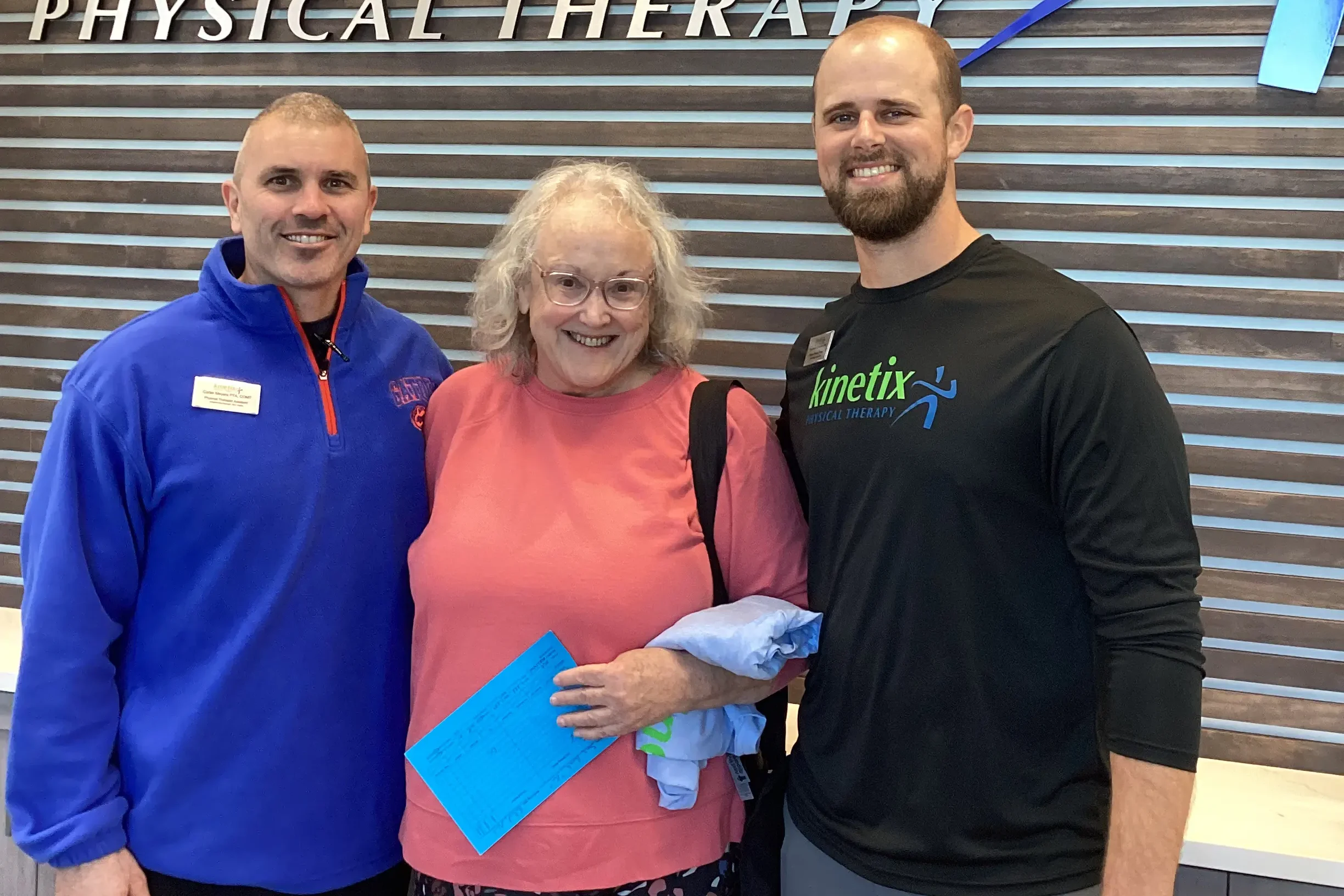
“I have been a patient at both Kinetix locations, and they are far superior to any physical therapy I’ve had in the past. Dr. Jake Reidy and Dr. Jed Meyers and their teams are absolutely excellent. They’ve all helped me so much. I’ve been in therapy four different times; for my shoulders (rotator cuffs), my back and neck (degenerative disc disease), and my knees (osteoarthritis and meniscus tears). It has been a long road over the past 2 years but I’m finally able to walk and move around again, resuming my usual activities. I would recommend Kinetix to anyone who needs physical therapy. They’re just the best!”
– Pamela
Contact Kinetix Physical Therapy To Schedule An Appointment
We will work with you at Kinetix Physical Therapy to accommodate your needs by providing the most advanced rehabilitation strategies and injury prevention programming. For more information, contact us today!
We’re Hiring!
We’re excited to grow our team at Kinetix Physical Therapy – and we’re looking for dedicated Physical Therapists (PTs) and Physical Therapist Assistants (PTAs) to join us! If you or someone you know would be a great fit, we’d love to hear from you. Our clinic is a supportive, patient-focused environment that values collaboration, innovation, and professional growth. We offer mentorship opportunities, continuing education, and competitive benefits. Ready to make a difference and elevate your career? Learn more and apply today by clicking below.
Recipe of the Month:
Lemony Asparagus & Pea Pasta

Ingredients:
- 8 oz pasta (linguine or fettuccine works great)
- 1 bunch asparagus, trimmed and cut into 2-inch pieces
- 1 cup fresh peas (or frozen, thawed)
- 2 cloves garlic, minced
- Zest and juice of 1 lemon
- ¼ cup olive oil
- ½ cup grated Parmesan cheese
- Salt & pepper to taste
- Optional: fresh basil or mint for garnish
Instructions:
- Cook the pasta: Boil in salted water until al dente. Reserve about ½ cup of pasta water, then drain.
- Blanch the veggies: In the same pot, cook asparagus for 2–3 minutes, then add peas for another minute. Drain.
- Make the sauce: In a large pan, heat olive oil over medium heat. Add garlic and cook briefly (about 30 seconds).
- Combine everything: Add pasta, asparagus, and peas to the pan. Toss with lemon zest, lemon juice, and a splash of pasta water to loosen.
- Finish: Stir in Parmesan, season with salt and pepper, and toss until creamy.
- Serve: Top with extra cheese and fresh herbs.
Leave Us A review
Your opinion matters. Click the buttons below to leave us a quick Google review and help others find quality care.
Free Workshops for your Workplace!
Invite us to come to your workplace and show you how to heal joint pain naturally, without medication, injections, or surgery.
Let’s get this event on your calendar today!
“I work at a local business and Kinetix PT provided our employees with a FREE workshop focusing on neck, shoulder, and back pain. Amazing!! Dr. Scott Eddins provided a very informative & interactive presentation for our staff. HIGHLY recommend Kinetix if you want your employees to benefit from one of their awesome workshops.” — Mandy