


Stay in the Game: Healing Pickleball Injuries with Physical Therapy
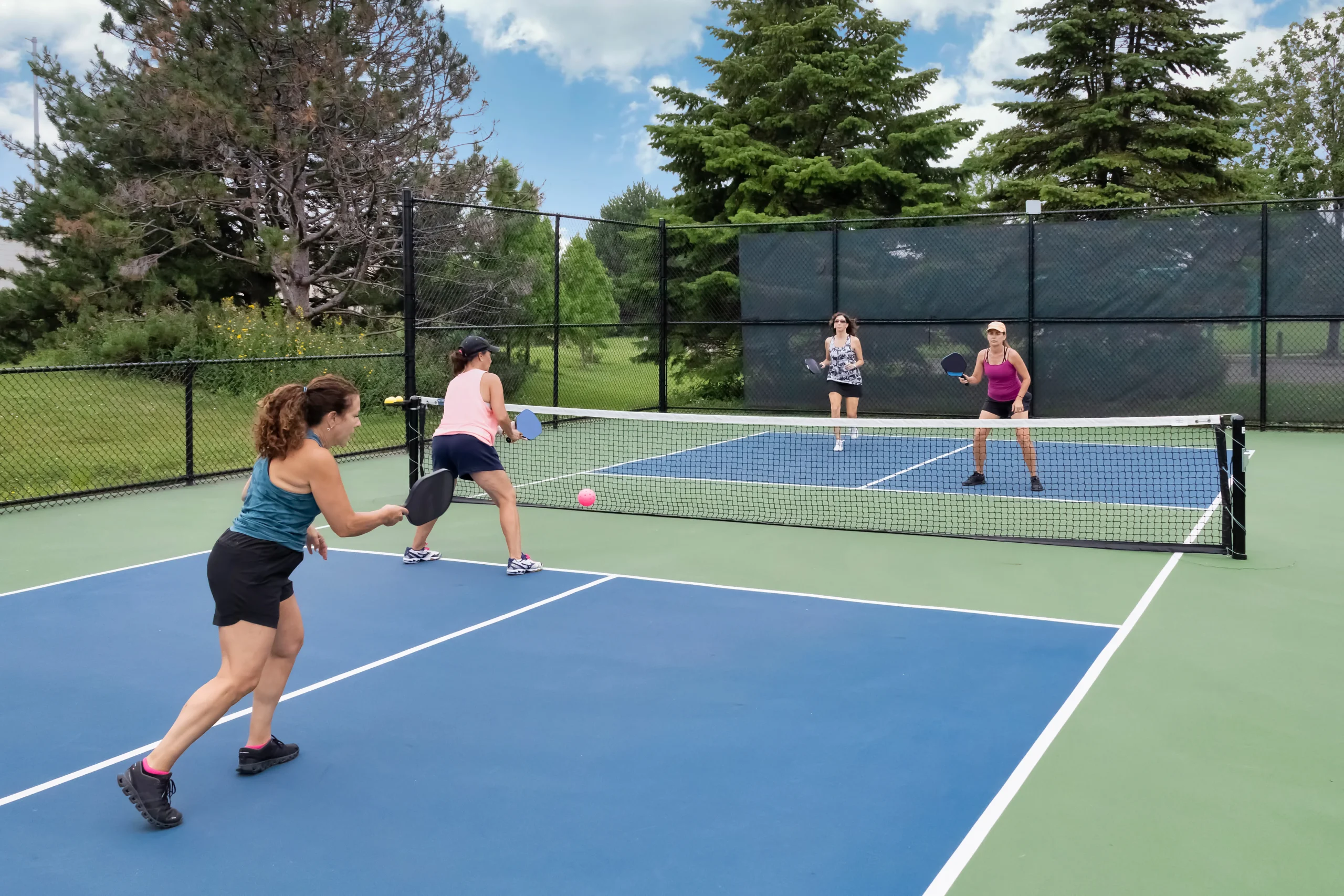
Did you know that pickleball is the fastest-growing sport in America, and the game is gaining more players every day? The reasons for its popularity are clear–it’s fun, easy to pick up, and a great way to stay active for people with varying fitness levels.
Unfortunately, because the sport is relatively simple, many people will jump right in without any preparation or training–which, unfortunately, can set them up for a pickleball-related injury. However, the team at Kinetix Physical Therapy is here to help you recover from your injury and return to the court!
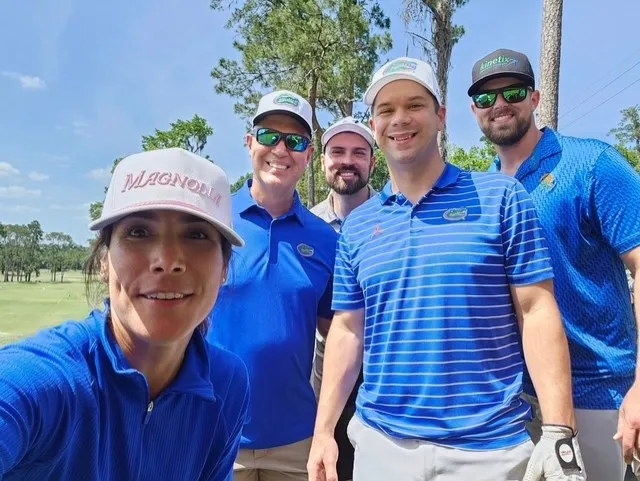
Kinetix Hits the Greens for a Great Cause & Scores a Win!
The Kinetix Golf Team recently participated in the Mary Wise Golf Scramble for the Pace Center for Girls. Also, our own Dr. Scott Eddins beat the golf pro for a chance to win a fabulous trip!


We’re Hiring Physical Therapists!
Dr. Jake Reidy, PT, DPT talks about how we use cutting edge diagnostic testing in our clinic. Interested?
Understanding the Injury Risk in Pickleball
Pickleball’s popularity has opened it up to people of all ages. The game is easy for beginners but can also meet the requirements of a more competitive player, with the possibility of a fast-paced match for singles or doubles. Like other racquet sports, such as tennis or badminton, pickleball requires abrupt changes of direction and stopping and starting movements, all of which have been linked to non-contact injuries like sprains and strains. Due to the repetitive swinging motion required for the game, overuse injuries, especially in the upper extremities, are also prevalent in pickleball. This risk is heightened due to the lack of preparation and the age of the deconditioned athletes.
Common Pickleball Injuries to Watch Out For
- Ankle sprains
- Achilles tendon injuries and inflammation
- Patella (knee cap) tendinopathies
- Hamstring, adductor (inner thigh), or quadriceps muscle strains
- Shoulder impingements and rotator cuff injuries
- Tennis elbow
- Wrist fractures from falls
Help Us Shine—Nominate Us Today!
We’re honored to serve our amazing community, and now we need your support!
🏆 Our Town Faves
🗳️ Voting Round: May 12 – June 8
🔗 Vote Here

Learn About All-Natural Symptom Relief At Our FREE Workshops!
- Back Pain & Sciatica: Do you have pain when you stand, walk, or sit? Do you experience pain shooting down your buttocks or leg?
- Shoulder Pain & Rotator Cuff: Do you have pain when reaching overhead or behind you? Is your shoulder pain keeping you awake? See our diagnostic ultrasound in action!
- Knee Pain: Is your knee stiff? Does your knee ache or “give out” on you?
- Balance & Dizziness: Have you fallen because you’re unsteady? Do you experience dizziness or spinning?
Learn the common causes of your symptoms and how to fix them naturally without medication, injections or surgery. Call to register now as seating is limited.
Treating Pickleball Injuries with Physical Therapy
If you notice any pain or discomfort after your pickleball sessions, take that as a sign to reach out to the team at Kinetix Physical Therapy. We know it can be tempting to ignore minor discomfort, but there’s a good chance that discomfort is an overuse injury, which means it will likely worsen if you don’t seek care.
Fortunately, our team can assess your symptoms and determine the type and severity of your injury, as well as any underlying factors that may have contributed to it. We also offer in-house diagnostic testing at our clinics, which makes it even easier for us to learn more about your injury.
Our diagnostic ultrasound provides real-time imaging of your joints, muscles, ligaments and can help diagnose or rule out common pickleball injuries. For numbness and tingling in extremities, the EMG and Nerve Conduction tests pinpoint the root cause of the symptoms.
Once we understand your injury, we’ll create a targeted, individualized treatment plan for you to promote an accelerated recovery plan and prevent future injuries associated with pickleball. We personalize every treatment program, pulling from a wide range of different techniques:
Manual Therapy
- Hands-on techniques that reduce muscle tension and improve joint mobility.
- Promotes circulation and healing in overused or irritated tissues.
- Effective for managing shoulder pain, tennis elbow, and other movement restrictions, helping to ease discomfort and prepare your body for treatment.
Deep Tissue Laser Therapy
- Uses targeted light energy to reduce inflammation and pain at the cellular level.
- Facilitates healing of muscles, tendons, and ligaments stressed by repetitive motion.
- A non-invasive option for managing soreness and improving recovery.
The Neubie Device
- Delivers electrical pulses to activate muscles while supporting natural movement.
- Helps retrain the nervous system and restore strength after injury.
- Useful in both acute and long-term recovery, especially for muscle imbalances and chronic pain.
Custom Orthotics
- Supports the foot and ankle during the quick side-to-side movements common in pickleball.
- Helps reduce stress on the knees and hips by improving alignment.
- Useful in managing heel pain, arch issues, and Achilles tendinitis.
Therapeutic Exercise Programs
- Improves range of motion, strength, and movement efficiency to prevent further injury.
- Targeted strengthening and stretching routines tailored to your unique needs.
- Builds joint stability and muscle control, especially in high-risk areas like the knees and shoulders.
Request an Appointment Today!
At Kinetix Physical Therapy, our team has plenty of experience treating pickleball-related injuries. We’ll help you understand your injury and provide a comprehensive treatment program to get you back in the game. Call today to schedule an appointment with one of our specialists!
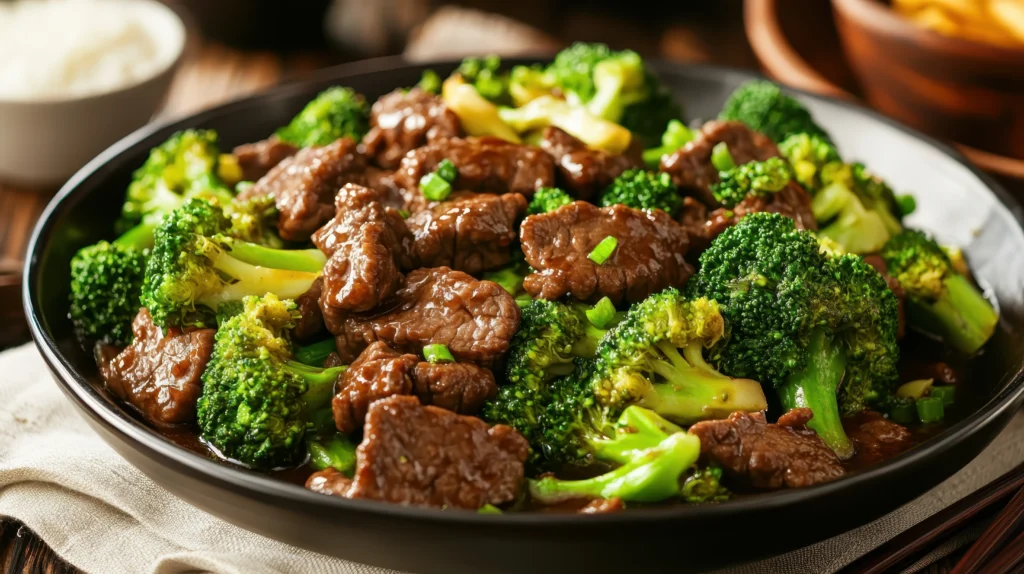
Recipe of the Month: Beef & Broccoli
Ingredients:
- 1 lb rump steak, finely sliced and slightly frozen, it’s easier to cut frozen
- 2 tablespoons soy sauce
- 1⁄2 teaspoon grated fresh ginger or 1/4 teaspoon ground ginger
- 2 tablespoons vegetable oil
- 1 lb broccoli, chopped
- 1 1⁄2 teaspoons cornstarch
- 1⁄2 cup beef broth
- 1 teaspoon soy sauce
- 1⁄4 teaspoon sesame oil
Directions:
-
Put meat in a bowl with 2 Tbs soy sauce and ginger, mix well. Heat your wok or frying pan to very hot. Add oil and coat the sides well. Add beef and broccoli and stir-fry until meat changes color (about 2 minutes).
-
Dissolve cornstarch into the beef stock and stir in remaining soy sauce and sesame oil.
-
Add to the beef and broccoli — stir until the sauce thickens. Serve over rice or noodles.
Five Tips to Stay Safe on the Pickleball Court
As the weather warms up, it’s time for one of our favorite social sports: pickleball! This outdoor racquet sport is fun, fast, and easy to learn, but its quick movement and repetitive swinging motions can increase your risk of overuse injuries. Here are five tips to keep yourself safe all season long.

1. Strengthen Key Muscles
A strong body ensures you can handle the demands of the game. Focus on:
- Core exercises to improve balance and stability
- Lower body strengthening to help you move across the court without falling
- Shoulder and wrist exercises to support repeated swings
2. Improve Mobility
A restricted range of motion can limit your movements and set you up for injuries. Try:
- Shoulder stretches to accommodate repetitive overhead motions
- Wrist stretches to reduce strain from gripping the paddle
3. Use Proper Technique
Pickleball is a beginner-friendly sport, but improper form can still cause overuse injuries. Spend some time perfecting:
- A stable stance to avoid sudden, awkward movements
- Controlled swings to reduce stress on your joints
4. Warm Up Before You Play
Jumping into a game with cold muscles makes you more prone to strain. Take 10 minutes to warm up beforehand with:
- A brisk walk around the courts
- Dynamic stretches like arm circles, leg swings, or lunges
5. Don’t Ignore Your Equipment
Pickleball is designed to be easy to pick up and play, but you still want to use the right equipment. Make sure to find:
- Well-fitting shoes that support your ankles and prevent slipping
- A paddle that matches your grip strength and playing style to reduce wrist strain
Remember, playing pickleball should be fun, not painful. If you notice any persistent pain during or after your matches, schedule an appointment at Kinetix Physical Therapy. We’ll help you figure out what’s going on–and what you can do about it!
Patient Success Story
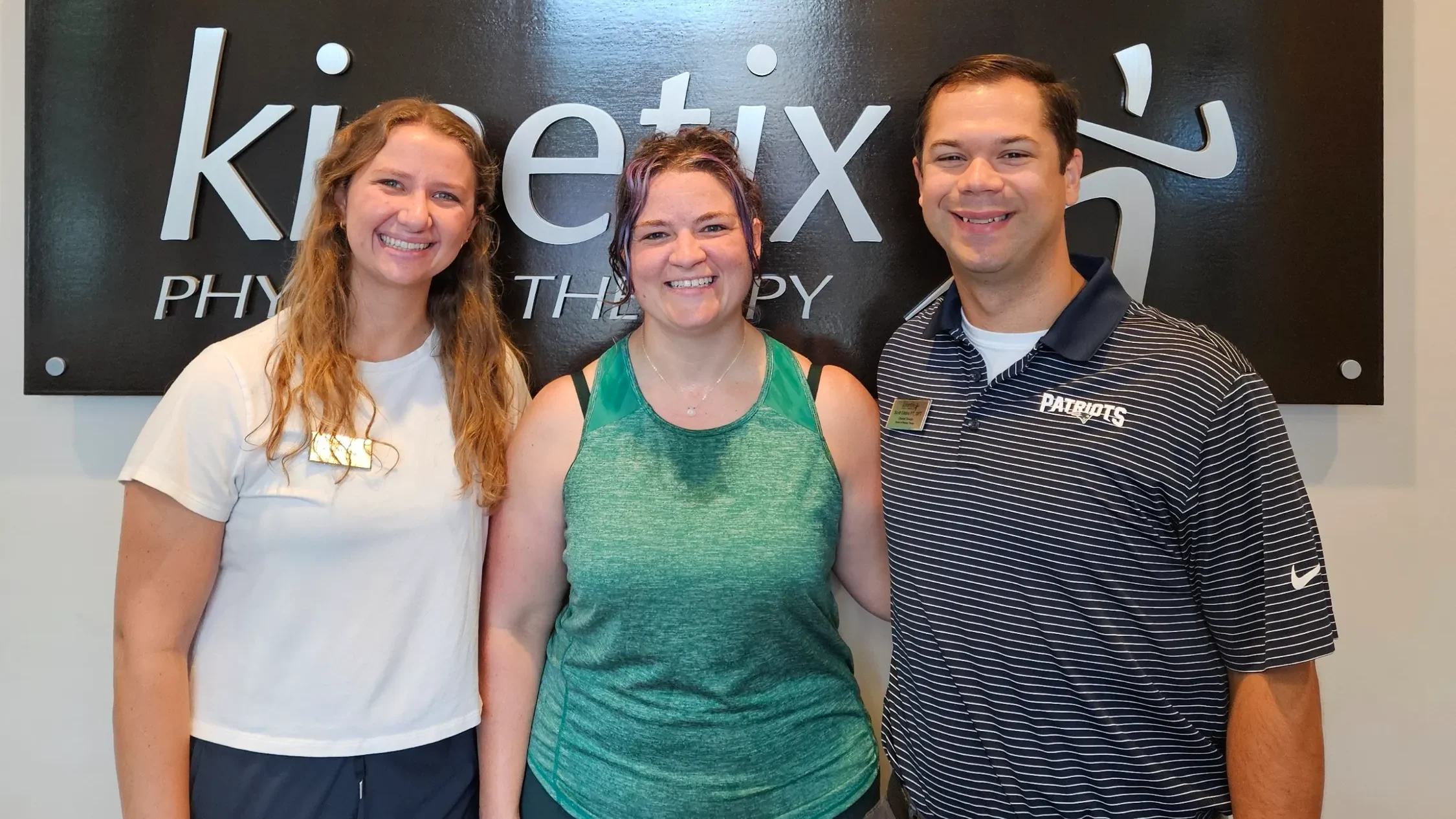
“Kinetix has been integral to my prehab before knee surgery. Scott runs an amazing facility and brings such a personal touch—he’s clearly an exceptionally talented and brilliant physical therapist. Sara is also fantastic to work with. The staff are lovely, and it’s so nice to be remembered and appreciated at every visit. UPDATE: I’ve now completed my post-surgical rehab, and I truly couldn’t be happier with this team! Scott and Sara have helped me come back even stronger than before. I can’t recommend Kinetix enough!” – Sara
Leave Us A review
Your opinion matters. Click the buttons below to leave us a quick Google review and help others find quality care.
Free Workshops for your Workplace!
Invite us to come to your workplace and show you how to heal joint pain naturally, without medication, injections, or surgery.
Let’s get this event on your calendar today!
“I work at a local business and Kinetix PT provided our employees with a FREE workshop focusing on neck, shoulder, and back pain. Amazing!! Dr. Scott Eddins provided a very informative & interactive presentation for our staff. HIGHLY recommend Kinetix if you want your employees to benefit from one of their awesome workshops.” — Mandy
Sources
- https://www.food.com/recipe/quick-and-easy-beef-and-broccoli-yummy-306022
- https://www.ncbi.nlm.nih.gov/pmc/articles/PMC6913863/
- https://journals.lww.com/acsm-csmr/Fulltext/2020/10000/Pickleball__Review_and_Clinical_Recommendations.8.aspx?context=LatestArticles
- https://www.sciencedirect.com/science/article/abs/pii/S0736467919307991